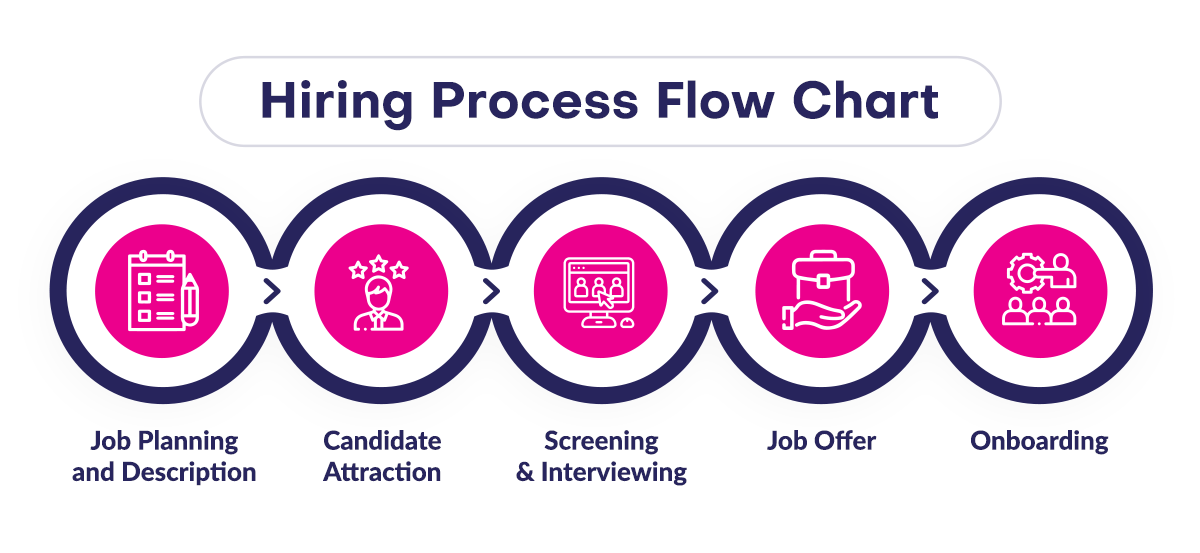
 In today’s competitive business environment, organizations are increasingly recognizing the value of diversity and inclusion in hiring. Companies that embrace diverse talent pools and foster inclusive workplaces are often more innovative, productive, and successful than those that do not. Diversity and inclusion are no longer just corporate buzzwords; they have become essential components of modern recruitment strategies that help businesses attract top talent and achieve sustainable growth.
A diverse workforce brings together individuals from different backgrounds, experiences, cultures, perspectives, and skill sets. When organizations prioritize inclusive hiring practices, they create opportunities for talented candidates regardless of their gender, ethnicity, nationality, age, disability, or cultural background. This approach not only promotes fairness but also strengthens business performance and enhances workplace culture.
Why Diversity and Inclusion Matter in Recruitment
The hiring process serves as the foundation for building a successful workforce. Organizations that focus on diversity and inclusion can access a broader talent pool, ensuring they do not overlook highly qualified candidates who may bring unique perspectives and valuable experiences.
A diverse workforce encourages creativity and innovation because employees with different viewpoints often approach challenges and problem-solving in unique ways. This diversity of thought can lead to better decision-making, improved business strategies, and enhanced customer satisfaction. Companies operating in global markets particularly benefit from diverse teams that understand different cultures, languages, and consumer behaviors.
Moreover, inclusive hiring practices help organizations establish a positive employer brand. Job seekers increasingly prefer companies that demonstrate a genuine commitment to equality and inclusion. Businesses that promote diversity are often viewed as progressive, socially responsible, and attractive places to work.
Benefits of Diversity and Inclusion in the Workplace
Organizations that invest in inclusive hiring processes often experience significant benefits beyond recruitment itself. Employees who feel respected and valued are more engaged, motivated, and committed to their work. This contributes to higher employee retention rates and lower turnover costs.
Enhanced Innovation and Creativity
Diverse teams bring a wider range of ideas and perspectives, encouraging innovation. Employees with different experiences can identify opportunities, challenges, and solutions that homogeneous teams might overlook.
Improved Business Performance
Research consistently shows that companies with diverse workforces tend to outperform competitors. Diverse teams can make more informed decisions and better understand the needs of diverse customer bases, leading to stronger business outcomes.
Better Employee Engagement
Inclusive workplaces foster a sense of belonging among employees. When individuals feel included and respected, they are more likely to contribute actively and collaborate effectively with colleagues.
Stronger Global Competitiveness
As businesses expand internationally, having employees from various cultural and linguistic backgrounds becomes increasingly valuable. Diverse teams can help organizations navigate international markets and build stronger relationships with global customers and partners.
How Organizations Can Create an Inclusive Hiring Process
Building a truly inclusive recruitment strategy requires deliberate effort and commitment. Employers can take several practical steps to ensure fairness and diversity throughout the hiring process.
Use Inclusive Job Descriptions
Job advertisements should focus on essential qualifications and avoid language that may unintentionally discourage certain groups from applying. Clear, inclusive language can help attract a wider range of candidates.
Expand Recruitment Channels
Organizations should actively seek candidates through diverse recruitment sources, professional networks, educational institutions, and community organizations. Expanding outreach efforts increases access to diverse talent pools.
Implement Structured Interview Processes
Standardized interview questions and evaluation criteria help reduce unconscious bias and ensure candidates are assessed fairly based on their qualifications and abilities.
Provide Diversity Training
Recruiters, hiring managers, and interviewers can benefit from training programs that raise awareness of unconscious bias and promote inclusive decision-making practices.
Diversity and Inclusion as a Long-Term Business Strategy
Diversity and inclusion should not be treated as short-term initiatives or compliance requirements. Instead, they should be integrated into the organization’s long-term talent acquisition and workforce development strategies. Successful companies understand that creating an inclusive culture requires ongoing commitment, leadership support, and continuous improvement.
Organizations that prioritize diversity and inclusion are better positioned to adapt to changing market conditions, attract top talent, and foster innovation. By creating opportunities for individuals from all backgrounds, employers can build resilient, high-performing teams that contribute to sustainable business success.
Creating Opportunities Through Fair Recruitment Practices
The future of recruitment lies in creating equal opportunities for all qualified candidates. Employers who embrace diversity and inclusion not only strengthen their workforce but also contribute positively to society by promoting fairness and equal access to employment opportunities.
As the global workforce continues to evolve, organizations that invest in diversity and inclusion in hiring will be better equipped to attract exceptional talent, improve organizational performance, and achieve long-term growth. Inclusive recruitment practices are not simply the right thing to do—they are a strategic business advantage that benefits employers, employees, and customers alike.
Frequently Asked Questions
What is diversity in the hiring process?
Diversity in hiring refers to recruiting candidates from various backgrounds, including different genders, ethnicities, cultures, ages, abilities, and experiences, to create a balanced and representative workforce.
Why is inclusion important after hiring?
Inclusion ensures that employees feel valued, respected, and supported within the organization. An inclusive workplace improves engagement, collaboration, productivity, and employee retention.
How can companies improve diversity and inclusion in recruitment?
Organizations can improve diversity and inclusion by using inclusive job descriptions, expanding recruitment channels, implementing structured interviews, and providing bias-awareness training for hiring teams.